Aryan
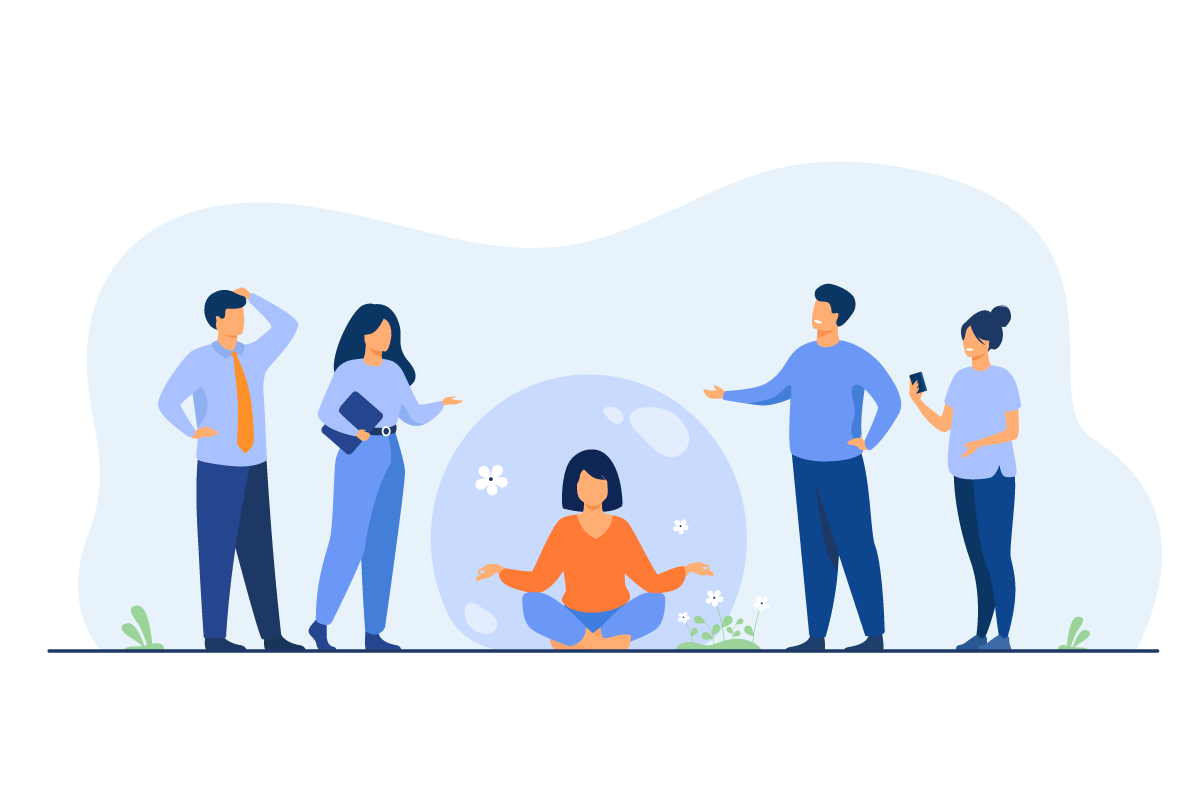
Shared spaces are built for collective use, yet people rarely occupy them without limits. Parks, offices, sidewalks, public transportation, waiting rooms, libraries, and apartment buildings all contain invisible boundaries that influence behavior. These boundaries are rarely marked by signs or physical barriers. Instead, they develop through social expectations, personal comfort, cultural habits, and repeated interactions.
Understanding these invisible boundaries reveals how people quietly negotiate space every day.
Personal Space Creates Unspoken Zones
One of the clearest invisible boundaries is personal space. People naturally maintain a certain distance from strangers, particularly when enough room is available. In an almost empty waiting room, for example, sitting directly beside another person may feel unusual even though no rule prohibits it.
The preferred amount of personal space can change depending on the environment, familiarity between individuals, and cultural expectations. Crowded trains temporarily reduce these boundaries because people understand that maintaining normal distance is impossible.
Digital behavior has created similar boundaries. People browsing government, property, or informational resources such as https://theupbocw.com may be sitting in a public environment while still treating their phone screen as a private space. Looking over someone’s shoulder can therefore feel intrusive even when no physical boundary has been crossed.
Familiarity Can Create Informal Territory
Repeated use can make public or shared areas feel temporarily personal. A commuter may prefer the same train seat each morning. An employee might regularly choose one particular chair in a break room. Someone visiting a neighborhood park may develop a favorite bench.
None of these people legally owns the space, but repetition creates a sense of familiarity. Similar patterns appear online when people repeatedly use resources such as https://bhulekhuk.org to access information relevant to their needs. Familiarity encourages people to establish routines, whether they are navigating physical environments or digital ones.
Problems can occur when individuals begin treating familiar shared spaces as permanently reserved for them.
Information Needs Privacy Even in Public Places
Shared spaces increasingly combine physical activity with digital tasks. Someone sitting in a café might check financial information, complete paperwork, research property records, or search terms such as apna khata mp rajasthan while surrounded by strangers.
This creates a relatively new type of invisible boundary. The table may be part of a shared environment, but the information displayed on a person’s device remains personal. Social etiquette generally discourages staring at another person’s screen or listening closely to a private conversation.
As technology becomes more deeply integrated into everyday routines, respecting informational privacy is becoming as important as respecting physical distance.
Noise Establishes Another Kind of Boundary
Sound does not respect physical walls easily, which makes noise one of the most complicated aspects of shared environments. A conversation that seems reasonable to one person might disturb someone reading, working, or resting nearby.
People therefore adjust their behavior according to context. Libraries encourage quiet voices, while parks allow considerably more noise. Apartment residents often reduce music volume at night because they recognize that neighboring households share walls.
Someone researching a service or website such as www.pmsurya-ghar.com in a common area may use headphones instead of playing audio aloud. This simple choice recognizes that shared access to a place does not automatically mean shared access to everyone else’s attention.
Activities Influence the Meaning of Space
A space can develop different boundaries depending on what people are doing there. A public square used by commuters in the morning may become a social gathering place in the evening. A community hall might host a professional meeting one day and a celebration the next.
Even personal interests influence behavior within shared settings. Someone checking results associated with punjab state dear 50 jackal saturday weekly lottery may prefer to do so quietly on a personal device rather than discussing it with everyone nearby. The physical location remains shared, but individuals continually create temporary zones of privacy around their activities.
Shared Spaces Depend on Mutual Awareness
Invisible boundaries work because people constantly observe and respond to one another. They notice whether someone wants privacy, whether a seat appears occupied, whether their conversation is too loud, or whether they are blocking a pathway.
Most of these decisions happen automatically. There may be no written instruction telling someone to move aside, lower their voice, or avoid standing too close to another person.
Shared spaces therefore depend on more than architecture. Their usability is shaped by countless small acts of awareness and cooperation. Invisible boundaries help strangers coexist comfortably by creating flexible expectations around distance, privacy, noise, and behavior. Although these boundaries cannot usually be seen, they play an important role in making collective environments functional and comfortable for everyone.